
Use code VACAY30 for 30% off sitewide | Subscribe & Save 40%* (Promotion Terms)

Blog

Magnesium for Anxiety: What You Need to Know

According to the National Alliance on Mental Illness (NAMI), more than 40 million adults in the U.S. have some type of anxiety disorder. That’s roughly 19% of the country’s total population.

Does this number include you? If you suffer from anxiety, then you may have tried different resources designed to help alleviate your symptoms. These are meant to help restore your quality of life, improve your overall wellness, and help you move past the often-debilitating symptoms that can accompany this condition.

In your quest to find relief, have you considered taking magnesium for anxiety? Today, we’re taking a closer look at this supplement, and how it works.

What Is Magnesium?

Before we dive into how magnesium can help anxiety, let’s briefly cover what this mineral entails. In short, magnesium is critical to your body’s daily function.

It’s responsible for regulating your blood pressure, steadying your heart rhythm, and keeping your bones strong. While it’s essential, your body does not produce magnesium naturally. You must ingest it from your food.

Yet, most people do not intake enough magnesium from their diets alone. In fact, studies show that roughly 50% of Americans are magnesium-deficient.

Without an adequate supply, the inflation markers in your body can become triggered. When this happens, it can increase your risk of a range of major health conditions, including heart disease, diabetes, and osteoporosis. Thankfully, you can increase your intake through supplements that contain magnesium, such as our Multivitamin Patch.

Magnesium For Anxiety: Understanding the Connection

Though more research is required to perform a definitive analysis, there is a connection between magnesium and anxiety. Let’s take a look at how the mineral affects your brain and body.

Powerful Brain Calming Function

There’s a reason why so many natural sleep aids contain magnesium. This mineral plays a critical role in relaying signals from your body to your brain.

Specifically, it serves as the gatekeeper for your body’s N-methyl-D-aspartate (NMDA) receptors. Located on your nerve cells, NMDA receptors support healthy brain development. They also play an important role in your learning and memory development.

If you have a magnesium-rich diet, then you’ll have stores of the mineral inside of those receptors. As you encounter outside stimuli that may threaten to disrupt your nerves, the magnesium will kick in to prevent them from feeling triggered.

However, if your magnesium supply is low, then the opposite effect can occur. You may find that you’re easily stimulated, which can exacerbate feelings of dread and anxiety. This occurs because your NMDA receptors aren’t blocked as required, which leaves them more exposed to such interactions.

Healthy Stress Response

People who suffer from anxiety disorders know that even a mildly stressful situation can feel overwhelming. The parts of your brain responsible for your stress response are located in your pituitary and adrenal glands.

Your brain’s hypothalamus sends signals to your pituitary glands, which are also located in your brain. In turn, the pituitary glands send signals to your adrenal glands, which are located on top of both of your kidneys. Your adrenal glands are responsible for producing hormones that help regulate a range of essential functions, including your:

  • Stress response
  • Metabolism
  • Immune system response
  • Blood pressure

Magnesium helps support a healthy hypothalamus function, which keeps this cycle running smoothly. Interestingly, magnesium deficiencies can create a seesaw effect within your brain and body. If you don’t intake sufficient quantities of it, then your natural stress response can suffer.

When this happens, the process can deplete your body of magnesium even more. In an attempt to find balance amid chronic mental or physical stress, your internal systems will cling tightly to any stores of the mineral it has saved. When your levels are sufficient, your stress response becomes more balanced, helping you achieve a steadier feeling of calm.

Improved Mood Regulation

In addition to aiding your brain function and stress response, magnesium also affects your overall mood. It helps regulate many of the internal systems involved in mood regulation, including:

  • Brain pathways
  • Enzymes
  • Neurotransmitters
  • Hormones

Magnesium deficiencies can upset this balance, making it more difficult to shake the feelings of sadness or impending dread often associated with anxiety.

Reduced Inflammation

Anxiety and depression are often experienced as co-occurring disorders. Researchers estimate that around half of all people diagnosed with depression are also diagnosed with anxiety.

Though it isn’t the only cause, elevated levels of inflammation can trigger symptoms of depression. It creates changes to your brain and body that make it more difficult to deliver a natural response to stressors and stimuli.

As mentioned, magnesium can help combat this issue by shielding the inflation markers in your body. This can help keep inflammation at bay, which can alleviate some symptoms of both depression and anxiety.

More Restorative Sleep

Sleep disorders are common among people with anxiety. You may find yourself lying awake at night, unable to relax and turn off your thoughts. Again, magnesium may be able to help.

This mineral interacts with a neurotransmitter called GABA, which reduces neuron activity in your brain. If you take a sleep supplement that contains magnesium, it can strengthen and support this interaction, helping to calm your nervous system. As a result, you may find that you’re able to sink into a more restorative, rejuvenating slumber.

This is good news, seeing as sleep deprivation can worsen symptoms of anxiety. It can also lead to insomnia the next night, making it even more difficult to achieve the rest that you need.

Discover the Benefits of Magnesium for Anxiety

Now that you know a little more about the connection between magnesium and anxiety, are you curious about supplementing your routine with more of this mineral?

Not only can magnesium optimize your cardiovascular function, but it’s also pivotal in helping your body manage stress and inflammation, as well as regulate your mood.

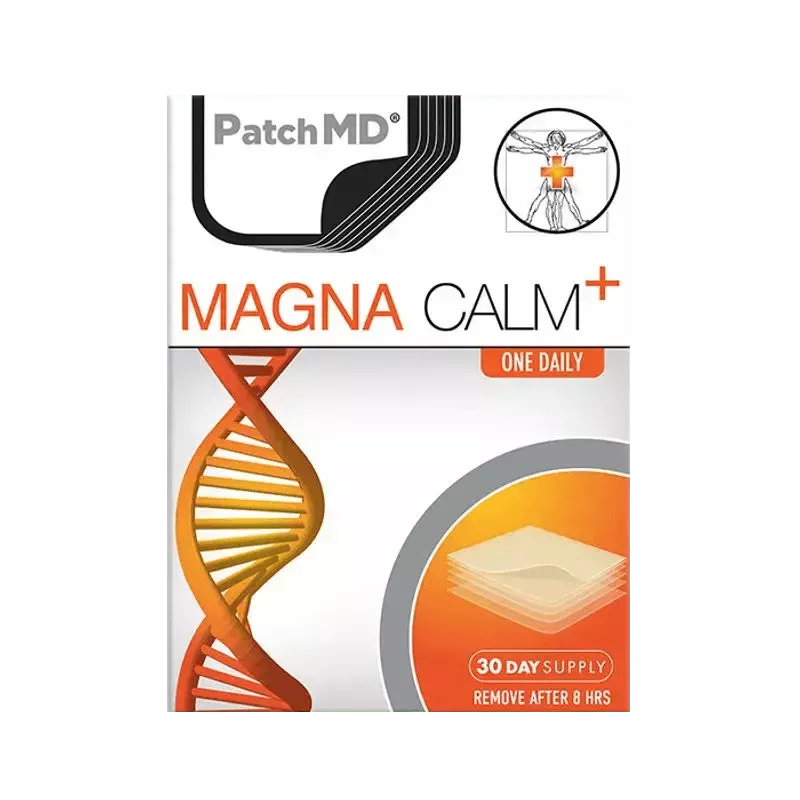
If you’re ready to start taking magnesium for anxiety, we can help. Many of our easy-to-use patches include magnesium, so feel free to shop our full online collection today! If you have any questions, feel free to contact our team.

Other Resources:

Magnesium Patches

By |2023-12-27T03:11:16-08:00January 20, 2022|Magnesium, Vitamin News|

What Foods Are High in Collagen? Your Complete Collagen Guide

Collagen is the structural protein responsible for many of the characteristics that determine how your skin looks and feels. Not only does it provide your skin structure, but it also affects its suppleness and elasticity. In addition, it helps keep your hair and nails strong and healthy, too!

While your body produces some collagen, that natural production decreases with age. When this happens, it can cause your skin to become thinner and more prone to wrinkles. You may also find that your nails feel brittle, and your hair breaks more easily.

This is why it’s helpful to know which foods are rich in collagen! By incorporating these items into your diet, you can help increase your body’s collagen intake to feel your best from the inside out. Today, we’re sharing 10 of our favorites.

1. Bone Broth

Bone broth is made exactly as its name implies: by boiling animal bones in water.

What makes it one of the most well-known collagen foods around? Those bones contain a natural source of collagen, as well as many other nutrients and minerals, including:

  • Calcium
  • Phosphorous
  • Magnesium
  • Glucosamine

While you can purchase ready-made bone broth in the store, you can also make your own, though the process can be time-consuming. To be thick and rich, bone broth needs to simmer for around 48 hours!

2. Fish

Fish contain a type of collagen called marine collagen. It’s found in the bones and ligaments throughout their body.

While much of this nutrient resides in their head and scales, you can also ingest it by eating the more palatable “meat” of the fish!

3. Eggs

If you needed one more reason to love your morning scrambles, eggs are naturally high in collagen!

Specifically, the highest levels are found in the whites, which contain both glycine and proline. These are some of the primary amino acids that make up the collagen protein.

That said, don’t toss those yolks just yet. The yellow part of the egg is rich in vitamin D and healthy fats that can benefit your skin, muscles, and bones.

4. Garlic

The aftertaste might be a little polarizing, but it’s important to keep your pantry stocked with plenty of garlic.

This particular collagen food contains significant levels of sulfur. A trace mineral responsible for synthesizing collagen, sulfur can also keep your collagen levels from breaking down over time.

While you’d have to eat a significant amount of garlic to reap noticeable benefits, this recipe staple is also high in vitamin B6, calcium, phosphorus, and selenium, so chop away!

5. Citrus Fruits

Your morning orange and that squeeze of lemon in your water are doing your body some good!

Fresh citrus fruits are high in vitamin C, which boosts collagen production. In fact, it’s a major part of pro-collagen production.

Pro-collagen is a natural precursor to collagen, and it’s responsible for strengthening and supporting many tissues in your body.

6. Broccoli

Like citrus fruits, broccoli is also chocked-full of vitamin C. The best part? You can cook it any way you prefer and still reap those nutritious benefits!

While it’s delicious raw, you can also cook, bake, or steam broccoli. It’s an ideal side dish to any meat entree and can stand on its own when baked into a casserole.

7. Leafy Greens

For years, you’ve heard how important it is to add plenty of leafy greens to your plate. Whether you love spinach and kale or Bok choy and arugula, choose your favorites and keep them in the fridge.

When you eat these greens on a consistent basis, you’ll increase the levels of vitamin C and chlorophyll in your body. Chlorophyll is the natural component that gives this roughage its green color.

Not only is chlorophyll a powerful antioxidant, but it may also increase your level of pro-collagen.

8. Raw Nuts

While your body needs vitamin C to support collagen production, that’s not the only nutrient to prioritize.

Zinc is another necessary component, and you can find plenty of it in a handful of raw nuts. As you browse the selection, reach for cashews if possible.

Cashews have high amounts of zinc, as well as copper, and your body needs adequate stores of both to produce collagen.

9. Tomatoes

When you think about vitamin C, your mind may go immediately to juice fruits and greens. However, did you know that tomatoes are also rich in this nutrient?

In addition, tomatoes also contain high amounts of lycopene, a nutrient that can keep your skin looking supple and evenly textured.

The next time you make a few slices of avocado toast, add some chopped or sliced tomatoes on top! They’re also excellent in sandwiches, stews, and even on their own.

Speaking of avocadoes, the omega-3 fatty acids they contain can also aid in collagen production! Add them to any brunch order or sneak them into a smoothie for a filling treat.

10. Mushrooms

Looking for another way to get in your daily dose of zinc? Don’t forget about mushrooms, which are also high in the nutrient but low in calories.

One cup of sliced, raw mushrooms contains roughly the same amount of zinc as you’ll find in a cup of cooked kale. Add them to a salad for a fresh twist, or sautee them up and put them in a quesadilla!

Boost Your Body’s Collagen Intake

These 10 foods play a role in helping your body produce and retain as much collagen as possible. As you plan your weekly menu, be sure to leave plenty of room on your plate for these fruits, veggies, and proteins.

Need a little help making sure your collagen levels stay adequate and consistent? That’s where our Collagen Plus Topical Patch comes in.

We specially formulated this natural supplement to support and strengthen your skin, nails, and hair. To discover the difference for yourself, order a box today and take the first step toward reclaiming and maintaining your natural, youthful glow!

Other Resources:

By |2024-10-10T01:37:25-07:00January 14, 2022|Collagen|

7 Amazing Benefits of Taking a Multivitamin

Did you know that more than half of adults in the US use vitamins and supplements, and the most common type is multivitamins?

There’s a reason why so many people are leveraging vitamins and supplements. 

Taking a multivitamin is a small action that can have a big health pay-off. 

Unfortunately, a lot of us aren’t getting the nutrition we need, which can lead to serious health implications over time. If you buy a multivitamin you can prevent nutrient deficiencies from creeping in and optimize your well-being. 

Do you want to feel and look your best? Keep reading to find out why taking a multivitamin can be one of the easiest ways to achieve this. 

1. Taking a Multivitamin Can Help Stave off Future Health Struggles

One of the valuable benefits of taking a multivitamin is that it can help stave off and minimize future health struggles. 

If you’re short on an essential vitamin or mineral, this can wreak havoc on your body. Over time, deficiencies can even exacerbate health issues. 

For instance, studies have revealed links between various chronic illnesses and vitamin D deficiencies, including the following conditions:

  • Heart disease
  • Respiratory illnesses
  • Osteoporosis
  • Depression
  • Dementia
  • Diabetes
  • Prostate cancer
  • Breast cancer

Are you wondering what are the odds that you might be low in vitamin D? According to estimates, roughly 42% of the US population is vitamin D deficient. 

Besides this, certain vitamins and minerals may also have links to lower rates of certain health issues. A lot of the claims around certain nutrients and their power to cure diseases are more urban legend than fact. But there is early evidence that certain vitamins and minerals may play a preventative role against certain conditions.

For instance, research has tentatively established links between vitamin C and vitamin A and lower rates of cancer and atherosclerosis.

2. Taking a Multivitamin Can Help Fill In Dietary Gaps

No matter how hard we try to eat healthily, there are always those days when one falls short of the mark. If you’re leading a busy life, it can be challenging to get in all the required vitamins and nutrients your body needs every day. 

Most processed foods and ready-to-go options have very little nutrition. To make matters worse, scientists are also discovering that crops are becoming less nutritious as soils degrade and carbon monoxide levels in the air rise. 

Between all these factors, it can be very easy for dietary gaps to occur and deficiencies to sneak in. 

If you want to guard against any invisible gaps in your diet, taking a multivitamin is one of the easiest ways to do this. 

3. You Could Have More Energy

Another amazing benefit of taking supplements is that you may have more energy. One of the first signs of a deficiency is often unexplained fatigue and tiredness. 

For instance, vitamin B12 plays a critical role in energy production, and if it’s in short supply you’re guaranteed to start feeling flat. 

It can be easy to put fatigue down to simply feeling tired, but what if your body isn’t able to produce energy because it’s lacking gin a key nutrient? 

Taking a multivitamin is one of the easiest ways to check some of your main nutritional boxes and make sure that fatigue symptoms aren’t related to a deficiency. 

An added benefit is that having more energy can create knock-on healthy effects. You might find yourself exercising more frequently and for longer, or being able to pursue other healthy activities like sports or gardening.

4. You Might Also Enjoy Better Mental and Emotional Wellbeing

If potentially having more energy isn’t a good enough reason to start taking vitamins, here’s another fantastic benefit. 

If you start taking a multivitamin, you might also notice an uptick in your mental and emotional wellbeing.

If you’re lacking in certain vitamins or minerals, such as vitamin D or magnesium, this could play into a variety of issues, including depression, anxiety, and brain fog. 

If you’re suffering from any of these issues, taking a multivitamin can be a great way to support feelings of clear-headedness and calmness. 

Research indicates that taking a multivitamin can substantially improve short-term memory recall.

5. Taking Multivitamins Can Boost Your Immunity

Along with increasing energy levels and mention/emotional wellbeing, taking supplements can also boost your immunity. 

According to research, adults taking a multivitamin can enjoy enhanced immunity. This is primarily due to adequate intake of vitamin C and zinc, which play an integral role in maintaining a healthy immune system. 

6. You Might Live Longer

Another amazing benefit of taking a multivitamin supplement is that it might even help you live longer by increasing telomere length. 

Scientists have discovered that telomere length has a correlation to longevity, and one study found that women taking a multivitamin supplement each day had 5% longer telomeres on average. 

7. Your Hair, Skin and Nails May Thank You

Healthy skin, hair and nails are often a signal of overall good health, which is one of the reasons why we find things like thick hair, strong nails, and glowing skin attractive. 

To grow strong hair and nails and healthy skin the body requires a wide variety of vitamins and minerals, including biotin, other B vitamins, silica, zinc, vitamin A, and more. 

If you invest in the best multivitamin you can, it will probably contain all of these essential nutrients. 

Not All Multivitamins Are Created Equal: Find One That Works for You

Are you worried about gaps in your diet? Not feeling as full of energy as you should?

If you’re deficient in key nutrients, taking a multivitamin could be one of the most important things you can do, both for your current and future wellbeing. 

However, before you head out and buy a multivitamin, make sure you choose one that is easily absorbable and manufactured to high standards. Do you have absorption issues? If yes, you might get better results using a vitamin patch rather than pills. 

Browse our multivitamin patches today.

Other Resources:

By |2024-04-01T21:27:28-07:00January 12, 2022|Anti-Aging Patch|

8 Surprising Omega 3 Benefits for Your Skin

Fish oil and plant-based sources of omega 3 fatty acids can revolutionize your health more than you know. Improvements in skin health are perhaps one of the perks that you’ll enjoy the most.

When you understand omega 3 benefits, it’s easier to use them to your advantage. Keep reading so that you can learn all about omega 3 benefits for skin health.

1. Omega 3 Fatty Acids Can Assist You With Collagen Production

Ingesting omega 3 fatty acids will bolster your body’s ability to produce collagen. This helps your skin health because collagen is a protein that helps to create new tissue.

A variety of anti-aging products contain collagen for this reason. Omega 3 fatty acids will produce more collagen in your body naturally, which helps your skin, bones, and other aspects of your cells that allow them to function at their best.

A Vitamin C and omega 3 fatty acid combination can help your body produce more collagen and repair tissue.

2. You Can Fight the Symptoms of Inflammation

Many people use omega 3 supplements to beat inflammation. Most skin irritation is the result of some form of inflammation.

The inflammatory processes cause redness, swelling, pain, itching, dryness, and other symptoms. Whether you have a simple rash or a total-body skin condition, you’ll love how omega 3’s can help you get it under control.

Inflammation is also the root cause of many acne conditions. Since acne is an issue that affects upward of 50 million people, several people would do well to add some omega 3’s to their diet and supplement intake.

3. These Fatty Acids Are Excellent for Blood Circulation

Blood circulation is an essential pillar of total-body health and contributes heavily to your skin condition.

When you have healthy blood circulation, it enriches your skin with all of the nutrients that keep it glowing, moisturized, and full of life. This blood circulation will assist you with healing any wounds.

Many people deal with scarring as the result of scratches, cuts, burns, and other wounds. By getting regular doses of omega 3 fatty acids, your wounds will heal quickly and leave behind few remnants.

You can add hemp seeds to your smoothie in order to get an influx of fatty acids into your bloodstream. Some other excellent sources of omega 3 fatty acids include flax, chia seeds, and fatty fish, such as salmon.

Other great fatty acid foods that you can enjoy include almonds, cashews, and walnuts.

The increase of fatty acids due to diet and supplementation will improve blood flow so that your skin stays youthful.

4. You Will Appreciate the Fact That Omega 3’s Combat Cancers

Don’t lose sight of the fact that there are several forms of skin cancer that can put your life in peril.

According to health studies, 20% of people in the United States will experience some form of skin cancer by the time they reach age 70. Omega 3 fatty acids are helpful when it comes to preventing the growth of tumors.

Some different types of skin cancer include melanoma, basal cell carcinoma, Merkel cell carcinoma, and Squamous cell carcinoma.

Examples of essential fatty acids include Alpha-linolenic acid (ALA), Docosahexaenoic acid (DHA), and Eicosapentaenoic acid (EPA). Scientists have observed that these fatty acids provide both cosmetic benefits and anticarcinogenic properties.

5. Omega 3 Fatty Acids Can Fight Arthritis

About 25% of adults in the United States have been diagnosed with arthritis. When you have chronic arthritis, you might also deal with skin issues as a byproduct.

People that deal with arthritis often develop skin rashes and other conditions that are irritating and conspicuous. By taking omega 3’s, you can fight the inflammation that leads to arthritis pain and the skin conditions that often come with it.

6. It Helps Against Eczema

You’ll love the fact that omega 3 fatty acids will directly help you combat skin problems like Eczema and dermatitis.

Today, roughly 32 million people are living with Eczema issues. These issues bring about skin dryness, flaking, peeling, and other symptoms.

The irritation brought about by Eczema can make it difficult to get enough sleep every night, and can also put you at a greater risk for dealing with food allergies and other problems.

These conditions will require you to have to use different skin creams and lotions just to get it under control. Taking regular doses of omega 3 fatty acids will give you the opportunity to

7. You’ll Get Doses of Anti-Aging Power

Omega 3 fatty acids will give you the benefit of anti-aging power as well. It can slow down the effects of aging and decline and will protect you against cellular damage.

These fatty acids are also helpful at promoting hormones in your body. Achieving hormonal balance gives you the chance to stay youthful and exuberant.

Your face will shine bright and you’ll maintain an even complexion that you will love to see staring back at you in the mirror.

8. Omega 3’s Are Excellent for Muscle Tone

When you take omega 3 fatty acids, you will also appreciate the total-body benefits that come with the territory. Taking omega 3 fatty acids will help you build muscle tone and strength.

This naturally tightens your skin so that you have fewer wrinkles and imperfections.

Experience the Omega 3 Benefits for Skin Health

Understanding the omega 3 benefits for skin health will allow you to get results that you’ll appreciate. The points above explain why omega 3’s are great for your skin, so the following step is to purchase the products and supplements that you need.

PatchMD can sell you whatever omega 3 products that you’re interested in. Take the time to contact us on our site, or call us up at 1-855-789-9773.

  • Learn more about the benefits and uses of Alpha-Lipoic Acid in our comprehensive guide to this powerful antioxidant.


Other Resources:

By |2024-04-01T20:35:29-07:00November 28, 2021|Omega-3 Plus Patch|

How the Body Uses Vitamin B12 for Energy

Do you constantly feel tired and sluggish?

You’re not alone. 67% of Americans admit that they feel tired at work, while 44% struggle to concentrate during the day.

Of course, there are many different factors that contribute to fatigue and cognitive problems. Lack of sleep, high stress levels, and poor dietary choices can all lead to daytime grogginess.

Another common — and often undiagnosed — cause of fatigue is Vitamin B12 deficiency. Could this be an underlying source of your low energy levels?

In this post, we’ll explore how the body uses Vitamin B12 for energy. We’ll also reveal who’s prone to deficiencies and how you can safely boost your B12 levels. Keep reading to learn more.

What Is Vitamin B12?

All of the B vitamins, with the exception of folate, are linked to energy production inside the body.

Vitamin B12 (also called cobalamin) is one of many essential nutrients our body needs to function normally. Among other roles, it helps to form red blood cells, promotes healthy nervous system function, and plays a role in producing DNA.

Once thought of as a natural painkiller, Vitamin B12 is now used to treat many conditions, from anemia to neuropathy. As a dietary supplement, many people simply take B12 for an energy boost.

How Does Your Body Use B12 for Energy?

There are several ways the body uses B12 for energy.  Without giving you flashbacks to your high school biology class, here’s a brief overview of what B12 does inside your body.

The most basic function of B12 is to synthesize creatinine, carnitine, and coenzyme Q10. Your body needs each of these vital components for energy production.

Vitamin B12 also works in tandem with mitochondria, the powerhouses or “batteries” of the cell. During the citric acid cycle, B12 teams up with mitochondria to generate energy inside your body.

If your body doesn’t produce enough red blood cells — a condition known as anemia — your energy levels will suffer. This is because blood helps to transport oxygen to different areas of your body. Vitamin B12 plays an important role in blood production, helping you ward off anemia and maintain healthy energy levels.

When you’re under prolonged periods of stress, you may suffer from low levels of antioxidants. In turn, this leads to oxidative stress and (you guessed it) low energy levels. Vitamin B12 helps to correct any imbalance between antioxidants and free radicals in the body.

What Are the Benefits of Vitamin B12?

Now that you know how B12 works inside the body, how does that affect the way you feel?

The most obvious benefit is increased energy, but B12 does a lot more than that. It also:

  • Alleviates symptoms of depression
  • Improves the quality of your sleep
  • Promotes healthy weight loss
  • Helps you better focus and concentrate
  • Reduces the incidence of headaches and migraines
  • Supports circulation and heart health
  • Prevents bone loss from osteoporosis
  • Mitigates nerve pain and diabetic neuropathy

As you can see, Vitamin B12 plays a vital role in your physical, mental, and emotional health.

Who’s Prone to B12 Deficiency?

It’s possible to get the daily recommended intake of B12 through a healthy, balanced diet. However, because of dietary restrictions or malabsorption issues, some people may struggle to get the B12 they need.

Individuals at higher risk for B12 deficiency include:

  • Pregnant women
  • Older adults/seniors
  • Vegans and vegetarians
  • Professional athletes
  • Those with pernicious anemia

How do you know if you’re getting enough B12? Here are some common signs and symptoms of Vitamin B12 deficiency:

  • Low energy levels
  • Brain fog
  • Difficulty concentrating
  • Dizziness
  • Blurred vision
  • “Pins and needles” sensation in your hands and feet
  • Depression, anxiety, or other mood changes

Of course, there are other reasons for these symptoms too, which is why it’s best to get checked out by your doctor. A simple blood test can reveal whether your B12 levels are normal or low (and what you should do next).

How Can You Boost Your B12 Levels?

You’ve probably seen lots of innovative ways to take vitamins — from pills to patches to vape pens — but which method is best?

First, take a look at your diet and see if you can more B12-rich foods to your daily menu. These include:

  • Beef
  • Lamb
  • Liver
  • Salmon
  • Clams
  • Tuna
  • Trout
  • Eggs
  • Milk
  • Bananas
  • Beans
  • Spinach
  • Nori
  • Mushrooms
  • Yogurt
  • Fortified cereals

Of course, some people simply can’t get all the B12 they need from diet alone. This is one reason why B12 is included in the most popular multivitamin supplements.

If your other vitamin levels are good and you’re only looking to take B12 for energy, you might consider a B12 patch. Simply apply the patch to your shoulder, back, or hip and get a steady dose of B12 for the next eight hours.

Our B12 Energy Plus Topical Patch is a terrific way to boost your energy and improve your wellbeing — without the burden of injections or pills.

Overcome Fatigue & Cognitive Problems With Vitamin B12

Vitamins won’t magically cure all of your problems, but they’re a vital step in maintaining your long-term health.

As we’ve discussed, Vitamin B12 plays an important role in many of your body’s processes. It can help you to overcome fatigue and brain fog, giving you more energy and focus throughout the day.

If you suspect you might have a B12 deficiency, talk to your doctor. A simple blood test can reveal your current vitamin levels and give you direction about what to do next.

The good news is that vitamin deficiencies are easy and affordable to treat with the products from PatchMD. Our patches are safe, discreet, and simple to use. Say goodbye to pills and injections and hello to the best way to take your daily vitamins!

Click here to browse our full list of patches, from Vitamin B12 for energy to specialty supplements for men, women, and children.

Other Resources:

By |2024-03-20T04:18:25-07:00November 28, 2021|B12 Energy Plus Patch|

Vitamin C Benefits for Skin

When you’re a person that is health-conscious, you’ll likely find yourself going down a rabbit hole that lets you learn all about the amazing vitamins, minerals, and other nutrients that empower us to do great things. Vitamin C is chief among these nutrients for several reasons, but many people love it because of the skin health benefits that it brings about.

Some great sources of C include bell peppers, oranges, grapefruits, leafy green vegetables, melons, and strawberries. You can also take advantage of Vitamin C supplements that can bolster your health and fitness.

The points below will help you learn more about C and the benefits for skin that it brings about.

Vitamin C Helps With the Repair of Tissue

When you stock up on vitamins, you’ll add daily fuel to your body and brain that help all your systems work the way that they should. Vitamin C is a useful supplement because it helps with the repair of your tissue and essentially leads to the creation of new skin.

Additionally, taking Vitamin C is useful because it makes new blood vessels, ligaments, and tendons. Ramping up your intake of C will allow you to always have new and rejuvenated skin that looks amazing while remaining healthy and nourished.

It Assists With the Production of Collagen

Many skin solutions today speak about the benefits of collagen. Collagen is important because it keeps your skin healthy and elastic. This is the way that you can retain elasticity and moisture in your skin as you age.

Collagen is often an active ingredient in anti-aging serums for this reason.

This Vitamin Protects Your Cells

Taking Vitamin C should be part of your self care regimen, and not just your skin health regimen. Part of the reason for this is that it helps to protect the cells in your body.

When absorbed into your bloodstream, C acts as an antioxidant, and fights against free radicals that would otherwise create damage to your skin. This can hold back the hands of time and allow you to keep your skin healthy in the fact of ultraviolet (UV) sunlight exposure.

Lower Blood Pressure Can Unlock Skin Health Benefits

People also take Vitamin C to help with blood pressure issues. When you take C to assist with your blood pressure, you’ll increase blood flow throughout your body so that your skin is more healthy and nourished as a result.

Your skin will have a more natural glow, and this influx of blood flow will assist in the creation of new skin cells on a regular basis.

Vitamin C Assists With the Absorption of Iron

One of the main reasons that Vitamin C is so helpful is that it improves your body’s ability to absorb iron from the food you eat. Today, a variety of people are iron deficient, and this leads to a variety of potential health issues.

Iron is responsible for healing wounds and protecting against skin damage. Even if you’re getting enough iron in your diet, it won’t be helpful to you if your body isn’t absorbing it correctly. Adding C to your intake will allow you to get your daily required amounts of iron, and your skin will be healthier as a result.

It Improves Your Immune System

People also take Vitamin C because of the benefits it brings to their immune system. This is why people choose to drink plenty of orange juice whenever they’re sick.

Your body’s immune system can remain healthy and strong when you supplement with Vitamin C, and this allows you to prevent skin infections, inflammation, and irritation. A bolstered immune system improves your ability to fight off any foreign invaders, and your skin will be the benefactor.

Vitamin C Can Help Even Out Your Skin Tone

Taking Vitamin C is useful because it’ll keep your skin tone even and healthy. People sometimes develop discoloration or spots in their skin due to a number of issues. C helps to regulate the production of melanin in your skin so that your skin is brighter and evenly toned.

It’s not uncommon to see skin toners that contain Vitamin C supplementation for this reason.

You Can Use Vitamin C Orally or Topically

People also love Vitamin C for skin because it can be taken orally and topically. One of the best ways to get more C is by optimizing your diet and improving your nutrient intake.

In addition to eating plenty of Vitamin C-rich foods, you will want to pick up some supplement stacks that have potent amounts of C. You can also stock up on products that let you apply these nutrients topically so that they can absorb into your skin membrane.

Both products also often come with other nutrients that help the Vitamin C absorb and do its job better.

Put These Benefits for Skin to Use

Understanding Vitamin C benefits for skin will help you out when you need new supplements and products to add to your stack. Your skin is the largest organ in your body, so it’s only right that you take some time and effort to make sure that you’re doing right by it.

We have a variety of products and supplements that you will be glad to add to your regiment, and we’d love to hear from you. In order to contact PatchMD, give us a call at 1-855-789-9773.

Other Resources:

By |2023-12-27T03:28:05-08:00October 6, 2021|Vitamin C Plus Patch|

Does Collagen Help Hair?

Collagen supplements are a hot topic in the health and beauty industry these days. Collagen is the most plentiful protein in your body. It serves to support your tendons, ligaments, and skin.

But did you know collagen plays an important role in the health of your hair? Giving your body a regular collagen boost can help hair look and feel softer and more lustrous.

If you’re searching for a natural product that promotes healthy, strong hair, give collagen supplements a try. Here’s a look at the many benefits of collagen for beautiful hair.

Promotes Growth

As you age, your hair tends to lose its youthful strength and bounce. You may notice that your hair doesn’t grow as quickly as it once did.

The natural slowdown of collagen production combined with sun damage, unhealthy eating, or alcohol use can contribute to the breakdown of your hair, skin, and nails.

If you’re trying to grow your hair out, it can be frustrating to see the ends breaking and splitting instead. Including collagen supplements in your daily routine can benefit your hair.

It may help strengthen your hair from within and promote healthy growth.

Adds Moisture

Adding collagen supplements to your diet can boost your overall health. When your body is healthy, your skin and hair become healthier too.

Collagen helps strengthen the skin and hair follicles. It helps maintain your skin’s moisture balance which is great for your hair.

Collagen helps to nourish and strengthen the blood vessels of the skin’s dermis layer. This allows for better blood flow and an increase in nutrients to the hair follicles.

This all leads to healthier, silkier, and more moisturized hair.

Increases Elasticity

Collagen is a natural antioxidant. It helps protect your skin, hair, and body from dangerous free radicals in the environment.

Free radicals can damage the hair follicles and lead to dry, dull-looking hair. Damaged hair can lead to thinning hair and hair loss.

Collagen helps revitalize your locks. With a healthy diet and regular use of a quality collagen supplement, you may see a big difference in the look and elasticity of your hair.

Fights Damage to the Follicles

Everyday stress, pollutants, free radicals, and bad habits can damage your hair.  Toxins in the body harm your cells, including your hair follicles.

Your body’s defense against toxins decreases as you age. The older you get, the more susceptible you are to hair damage.

The antioxidants in collagen can have a powerful effect on your body and your hair. Regular use of a collagen supplement may help fight against free radicals and environmental toxins while nourishing your scalp and hair.

Enhances Shine

Who wouldn’t love to have a mane of lustrous, shining hair? Over time, our hair can lose its shine and appear lifeless and dull.

You can spend a fortune on the latest shampoos and serums hoping to bring your hair back to life. But if your hair is damaged due to a lack of collagen, all those hair products won’t make a difference.

The sebaceous glands beneath your hair follicles secrete oil to keep your scalp and hair healthy. Collagen plays a big role in this process.

Taking a collagen supplement may aid in the process and give your hair more bounce and shine.

Reduces Greying

Your hair gets its natural color from melanin-producing cells. As we age, these cells begin to die, and this causes your hair to grey.

Although genes play an important role in how fast your hair turns grey, a poor diet, stress, and free radicals play a role as well.

Chemical buildup from long-term hair coloring or other harsh treatments can also hasten the greying process. Collagen’s antioxidant properties may protect your hair and keep the grey at bay.

Taking a collagen supplement won’t prevent your hair from turning grey. But it may help slow the process and help you retain your natural hair color longer.

Strengthens Hair

The amino acids in collagen supplements may help your body produce keratin, an essential protein for healthy, strong hair.

Typically, collagen supplements are broken down into peptides of two to three amino acids. This combination helps your body process the amino acids easily.

At least two of these amino acids, glycine and proline, are essential for hair health. Eating collagen-rich foods and taking a collagen supplement may help you have stronger, thicker hair.

Keep Your Hair Healthy

Collagen supports your muscles, tendons, ligaments, and your skin. Without healthy skin and hair follicles, you can’t have healthy hair.

Hair health begins on the inside. Shampoos, conditioners, and other hair products are useless if your hair is thin, weak, or lifeless.

Collagen holds the dermal skin layer and the hair follicles together. Healthy collagen levels play an essential role in producing strong strands of hair.

Keeping your hair healthy starts with taking good care of yourself. Eating right and taking a collagen booster may help keep your hair strong, healthy, and beautiful.

Add Collagen to Your Healthy Routine

It’s easy to add collagen to your diet. It’s found in the connective tissue of mammals, including the skin, muscles, and bones of chicken, pork, beef, and fish.

Bone broth is an excellent source of collagen. You can drink the broth or use it as a base for soups.

Eating foods high in vitamin C such as oranges, strawberries, bell peppers, and Brussel sprouts may increase your body’s natural collagen levels.

Using a collagen supplement in a pill, powder, or patch is safe and provides a healthy collagen boost.

Use Collagen to Help Hair Look Its Best

Collagen is essential for a healthy body and lustrous hair. There are so many ways collagen can help hair look its best.

Some of these benefits include preventing follicle damage, staving off greying, and adding moisture and shine.

If you’re searching for ways to enhance the look of your hair, using a collagen supplement may be the answer.

We offer a variety of natural patches, including a popular collagen patch. Take a moment to check out our healthy vitamin supplement patches today.

Other Resources:

By |2023-12-27T03:29:24-08:00October 6, 2021|Collagen|
Go to Top