
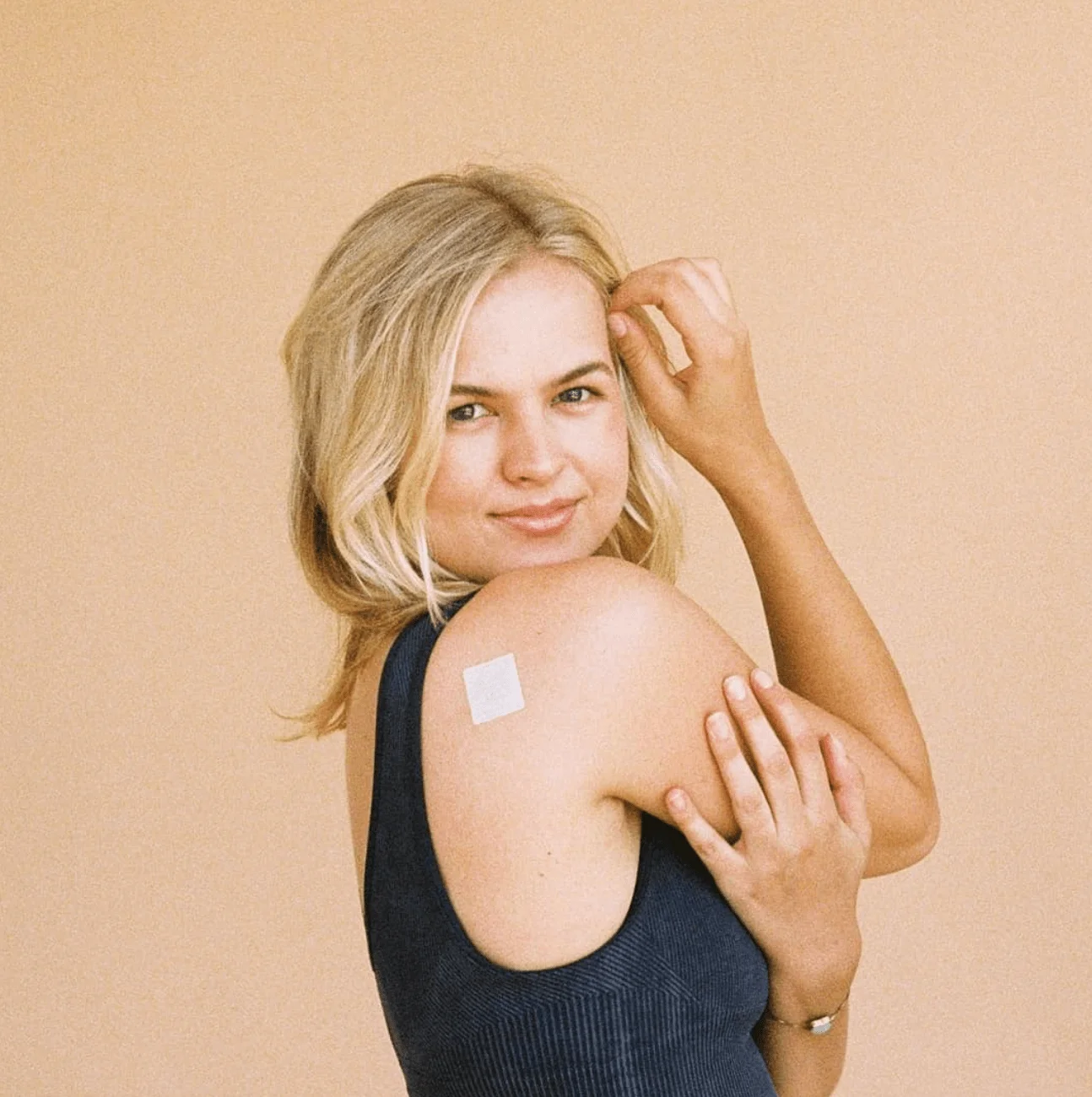
benefits NAD+ patch has become a popular topic in conversations about energy, healthy aging, cellular health, and longevity. As interest grows, more people are also looking at NAD+ patches as a convenient way to explore NAD+ support.
But what are the actual NAD+ patch benefits? Do these products work, and how do they compare with oral supplements or IV therapy?
To answer those questions, it helps to start with NAD+ itself.
NAD+, or nicotinamide adenine dinucleotide, is a coenzyme found throughout the body. It plays an important role in energy metabolism and several cellular processes. Researchers have also observed age-related changes in NAD+ levels in different tissues.
That makes NAD+ an interesting area of research. However, there is an important distinction between understanding what NAD+ does in the body and proving that a particular patch produces a specific health benefit.
This guide looks at the potential NAD+ patch benefits, how transdermal delivery works, what current research suggests, and what you should consider before choosing a product.
What Is NAD+?
NAD+ is a naturally occurring coenzyme involved in thousands of cellular reactions. One of its best-known roles involves energy metabolism.
When you eat carbohydrates, fats, or proteins, your cells break down those nutrients through a series of metabolic reactions. NAD+ helps transfer electrons during these reactions. This process supports the production of ATP, which cells use as an energy source.
NAD+ also participates in other important pathways. For example, enzymes called sirtuins depend on NAD+. PARP enzymes also use NAD+ during certain DNA repair processes.
For that reason, researchers have become interested in the relationship between NAD+, cellular function, and aging.
Studies have found changes in NAD+ metabolism with age across several tissues. However, those changes do not happen in exactly the same way in everyone. Researchers are still working to understand their full significance.
What Are NAD+ Patches?
NAD+ patches are transdermal products designed to deliver NAD+ or NAD+-related ingredients through the skin.
Instead of taking a capsule, the user applies a patch to the skin and wears it for the period recommended by the manufacturer. The ingredients are then released from the patch.
However, not all NAD+ patches use the same approach.
Some products use conventional transdermal formulations. Others use technologies such as iontophoresis, which uses a small electrical current to assist movement across the skin. Some products also contain NAD+ precursors rather than NAD+ itself.
This difference matters. When you research NAD+ patch benefits, look at the actual ingredients, dosage, delivery method, and available evidence. A result from one type of patch cannot automatically apply to every product.
What Are the Potential NAD+ Patch Benefits?
The interest in NAD+ patch benefits comes largely from the biological role of NAD+. NAD+ supports several processes that are important for normal cellular function. Researchers are also studying whether restoring NAD+ availability could influence some changes associated with aging.
However, direct clinical research on commercial NAD+ patches remains limited. Therefore, it is better to describe these benefits as potential rather than guaranteed outcomes.
Cellular Energy Support
NAD+ plays a central role in energy metabolism. Cells rely on NAD+ to help process nutrients and support reactions involved in ATP production. Because of this role, maintaining healthy NAD+ metabolism is important for normal cellular energy production.
Researchers are investigating whether changes in NAD+ availability can influence energy-related processes as people age. That does not mean an NAD+ patch will automatically make you feel more energetic. Your daily energy levels also depend on sleep, nutrition, physical activity, stress, and overall health.
Support for Cellular Maintenance
NAD+ serves as a substrate for several enzymes involved in cellular signaling and DNA repair. Sirtuins, for example, use NAD+ to regulate a range of cellular processes. PARP enzymes also consume NAD+ during DNA repair activity.
These relationships help explain why scientists continue to study NAD+ in the context of healthy aging. Still, there is a difference between supporting a biological pathway and proving a specific health outcome.
Healthy Aging Research
Researchers have observed age-related changes in NAD+ metabolism. Animal studies have also produced interesting results after researchers restored NAD+ availability through different approaches. These studies have examined areas such as metabolism, mitochondrial function, muscle function, and other age-related processes.
Human research is more complicated. Some human studies suggest that certain NAD+ precursors can increase NAD+ levels. However, researchers still need stronger clinical evidence to determine whether those changes consistently translate into meaningful improvements in health or physical function.
Therefore, it is too early to describe NAD+ patches as a proven anti-aging treatment.
Convenient Daily Use
Convenience is another practical reason people consider patches. A patch can fit into a daily routine without requiring a capsule at a particular time. Depending on the product, users can apply it at home and remove it later.
For someone who prefers a simple routine, that can be appealing. However, convenience does not automatically mean better results. The effectiveness of a transdermal product depends on its formulation and delivery technology.
How Do NAD+ Patches Work?
The basic concept behind a transdermal patch is simple. The patch places an ingredient against the skin. The ingredient then leaves the patch and interacts with the skin barrier. Some formulations are designed to help the ingredient move across that barrier.
The skin, however, is highly effective at preventing substances from entering the body. Therefore, putting an ingredient on the skin does not automatically mean that a meaningful amount reaches the bloodstream.
This is where delivery technology becomes important. Some specialized products use iontophoresis to assist movement across the skin. Other products rely on their formulation and the properties of the active ingredient.
As a result, NAD+ patch benefits can vary depending on the product being discussed. When comparing products, look beyond the word “patch.” Check the ingredient, amount, delivery system, wear time, and evidence behind the formulation.
NAD+ Patches vs Oral Supplements
NAD+ patches and oral supplements use different delivery routes. Many oral NAD+ products contain precursors such as nicotinamide riboside (NR) or nicotinamide mononucleotide (NMN). These compounds participate in pathways involved in NAD+ production.
Research has shown that some oral NAD+ precursors can raise NAD+ levels in humans. However, increasing NAD+ levels does not automatically establish a specific clinical benefit.
Patches take a different approach by placing ingredients against the skin. So, which option is better? There is no simple answer.
A patch may appeal to someone who prefers transdermal delivery. An oral supplement may be easier for someone who prefers a familiar routine. More importantly, the formulation and evidence matter more than the format alone.
For this reason, consumers should avoid assuming that a patch is automatically more effective than a capsule.
NAD+ Patches vs IV Therapy
NAD+ IV therapy uses intravenous administration, while patches use a skin-based delivery route. The two approaches are therefore very different.
IV therapy requires administration in a clinical setting. A patch may allow home use, depending on the product and technology.
However, convenience and effectiveness are separate questions. Some specialized patches use technologies designed to improve transdermal delivery. Yet evidence for one delivery system should not automatically be applied to another.
Similarly, research involving IV administration cannot automatically prove that a topical or transdermal patch produces the same result. If you are comparing the two, look at the specific technology and the human evidence supporting it.
What Does the Research Say About NAD+?
The science surrounding NAD+ is promising, but it is still developing. Researchers understand many of NAD+’s biological functions. They also continue to investigate how NAD+ metabolism changes with age and whether restoring NAD+ availability can influence age-related cellular processes.
At the same time, human evidence remains an important limitation. Evidence-focused reviews note that strong human research directly testing whether NAD+ patches slow aging or produce broad anti-aging effects remains limited.
Therefore, it is useful to separate three different questions:
- What does NAD+ do in the body?
- Can a product increase NAD+ availability?
- Does that increase produce a meaningful health benefit?
Those questions do not necessarily have the same answer. That distinction is one of the most important things to understand when evaluating NAD+ products.
What Should You Look For in an NAD+ Patch?
If you are considering an NAD+ patch, start with the product details.
- The active ingredient
- The amount of each ingredient
- Whether it contains NAD+, NR, NMN, or another compound
- The delivery technology
- Recommended wear time
- How often the product should be used
- Manufacturing and quality information
- Available human research
- Clear application and safety instructions.
Also, pay attention to how a company describes its evidence. There is a major difference between saying that NAD+ participates in cellular energy production and saying that a specific patch will increase your energy.
The first statement describes established biology. The second makes a product-specific claim. A good product page should make that distinction clear.
Are NAD+ Patches Safe?
Safety depends on the ingredients, formulation, delivery system, and the person using the product. As with other products applied to the skin, some people may experience local irritation, redness, or itching. Therefore, follow the manufacturer’s application instructions carefully.
People who take prescription medications or manage a medical condition should speak with a healthcare professional before starting a new supplement product. The same applies during pregnancy or breastfeeding.
Most importantly, do not use an NAD+ product as a substitute for medical evaluation. Persistent fatigue, memory changes, weakness, or other unexplained symptoms can have many causes. Finding the underlying cause should come first.
How to Think About NAD+ Patch Benefits
The most sensible way to look at NAD+ patch benefits is to separate established biology from emerging product research. We know that NAD+ plays an important role in energy metabolism and several cellular processes. We also know that researchers are investigating age-related changes in NAD+ metabolism.
What remains less certain is how much a particular patch changes NAD+ availability in humans and whether that change produces noticeable, long-term health benefits.
That does not make the technology uninteresting. Instead, it means consumers should evaluate NAD+ patches with realistic expectations. Look at the ingredients, delivery technology, manufacturing standards, and available evidence before deciding whether a product fits your needs.
Final Thoughts on NAD+ Patch Benefits
The science behind NAD+ is one reason these products have attracted so much attention. NAD+ participates in energy metabolism, cellular signaling, and processes involving DNA repair. Researchers are also studying its connection with healthy aging and age-related changes in cellular function.
The potential NAD+ patch benefits are therefore worth investigating. However, direct human research on individual patch technologies remains limited.
That distinction matters. A promising mechanism does not guarantee a specific outcome. Likewise, a convenient delivery method does not automatically make one NAD+ product better than another.
For now, the best approach is to look at the complete picture: ingredients, delivery method, product quality, safety information, and scientific evidence.
As research develops, we will have a clearer understanding of where NAD+ patches fit within the broader field of healthy aging and cellular health.
Frequently Asked Questions About NAD+ Patch Benefits
What are the main NAD+ patch benefits?
Potential NAD+ patch benefits relate to the biological role of NAD+ in energy metabolism and cellular processes. However, direct evidence for specific patches remains limited.
How does an NAD+ patch work?
An NAD+ patch places an active ingredient against the skin. Depending on the product, it may rely on passive transdermal delivery or a technology such as iontophoresis.
Are NAD+ patches effective?
Effectiveness can vary between products. The available research does not currently establish that every NAD+ patch produces meaningful health or anti-aging benefits.
Can NAD+ patches increase NAD+ levels?
That depends on the ingredient and delivery technology. Some products aim to deliver NAD+ directly, while others use NAD+ precursors. Results can therefore vary between formulations.
Are NAD+ patches better than oral supplements?
Not necessarily. Patches and oral supplements use different delivery methods. Current evidence does not show that patches are universally superior to oral NAD+ precursors.
Can NAD+ patches support healthy aging?
NAD+ has an important role in cellular biology, and researchers are studying its relationship with aging. However, current evidence does not establish that NAD+ patches can slow or reverse human aging.
How long should an NAD+ patch be worn?
Wear time depends on the specific product. Always follow the manufacturer’s instructions rather than assuming that every NAD+ patch should be worn for the same amount of time.
Are NAD+ patches safe for everyone?
No supplement product is appropriate for everyone. People taking medications, managing health conditions, or who are pregnant or breastfeeding should speak with a healthcare professional before use.





Leave A Comment
You must be logged in to post a comment.