Key Takeaways
- Dopamine precursors are nutrients that the body converts into dopamine, a crucial neurotransmitter for motivation, focus, and mood regulation.
- L-tyrosine serves as the primary biochemical starting point for dopamine synthesis and has been shown to enhance cognitive performance under stress.
- Supporting ingredients like L-theanine, Lion's Mane mushroom, and omega-3 fatty acids work synergistically to optimize brain health and neurotransmitter balance.
- Natural dopamine support through nutritional supplementation offers a gentle approach to mental wellness without the side effects of pharmaceutical interventions.
- Topical patch delivery provides sustained, steady nutrient absorption while bypassing digestive challenges that can reduce effectiveness.
In our fast-paced modern world, maintaining optimal brain function and mental wellness has become more challenging than ever. Many people struggle with low motivation, difficulty focusing, and mood fluctuations—symptoms that may be related to dopamine imbalance. While pharmaceutical interventions exist, a growing number of individuals are seeking natural approaches to support their brain chemistry through targeted nutrition.
Dopamine, often called the “motivation molecule,” plays a central role in how we experience pleasure, maintain focus, and pursue our goals. Unlike quick-fix stimulants or medications with concerning side effects, dopamine precursors work with your body’s natural biochemistry to support healthy neurotransmitter production. This comprehensive guide explores the science behind dopamine precursors and how specific nutrients can naturally enhance your mental wellness and cognitive performance.
What Are Dopamine Precursors and Why Do They Matter?
Dopamine precursors are nutrients that your body uses as raw materials to synthesize dopamine in the brain. Think of them as the building blocks your neurons need to manufacture this essential neurotransmitter. Without adequate precursors, your brain cannot produce sufficient dopamine, regardless of how well other aspects of your neurochemistry function.
The dopamine synthesis pathway begins with the amino acid L-tyrosine, which is converted through a series of enzymatic reactions into L-DOPA, and finally into dopamine itself. This process requires not only the primary precursor but also various cofactors and supporting nutrients to function optimally.
Understanding dopamine’s role in the brain helps explain why maintaining adequate precursor levels matters so profoundly. Dopamine is involved in:
- Motivation and drive to pursue goals
- Focus and sustained attention
- Mood regulation and emotional balance
- Movement coordination and motor control
- Reward processing and pleasure
- Working memory and cognitive flexibility
When dopamine levels are suboptimal, individuals may experience symptoms ranging from difficulty concentrating and low motivation to mood challenges and reduced enjoyment of previously pleasurable activities. Supporting healthy dopamine production through targeted nutrition offers a foundational approach to addressing these concerns.
L-Tyrosine: The Primary Dopamine Precursor
L-tyrosine stands as the cornerstone amino acid in dopamine synthesis. Research has established that this non-essential amino acid serves as the direct biochemical precursor to all catecholamine neurotransmitters, including dopamine, norepinephrine, and epinephrine.
The scientific evidence supporting L-tyrosine’s role in cognitive performance is substantial. Studies have demonstrated that tyrosine supplementation can enhance cognitive function particularly during stressful or demanding situations. Research published in cognitive neuroscience journals shows that tyrosine effectively enhances working memory performance when the brain’s dopamine and norepinephrine systems are temporarily depleted by stress.
A comprehensive 2015 review examining tyrosine supplementation in clinical and healthy populations found that while tyrosine shows limited benefits for clinical disorders, it proves remarkably effective for enhancing cognitive performance in short-term stressful and cognitively demanding situations. The mechanism involves tyrosine’s ability to replenish catecholamine levels that become depleted under stress, thereby maintaining optimal neurotransmitter function.
European food safety authorities have officially recognized that L-tyrosine contributes to normal synthesis of dopamine when consumed as part of a protein-adequate diet. This acknowledgment underscores the amino acid’s established role in supporting healthy brain chemistry.
Research involving 2.0 grams of L-tyrosine in double-blind, placebo-controlled studies has shown that it modulates working memory efficiency through its effects on dopamine-mediated brain processes. The enzyme tyrosine hydroxylase converts tyrosine to L-DOPA, which is then rapidly converted to dopamine by aromatic amino acid decarboxylase.
L-Theanine: Calming Support for Balanced Neurotransmission
L-theanine, an amino acid unique to tea plants, provides complementary support for healthy brain chemistry through multiple mechanisms. While not a direct dopamine precursor, research demonstrates that L-theanine modulates neurotransmitter levels including dopamine, serotonin, and GABA.
Animal studies have consistently shown that L-theanine increases brain dopamine levels. Research published in neurochemistry journals demonstrated that direct administration of theanine into the brain striatum enhanced dopamine release in a dose-dependent manner. The mechanism appears to involve NMDA glutamate receptor pathways rather than simple precursor loading.
What makes L-theanine particularly valuable is its dual action: it supports dopamine production while simultaneously promoting relaxation without sedation. This unique profile helps prevent the overstimulation that can occur with dopamine enhancement alone. L-theanine increases the expression of GABAergic receptors and promotes alpha brain wave activity associated with calm alertness.
Recent research examining L-theanine’s effects on brain electrochemical activity found that it increases dopamine and serotonin levels while enhancing slow brain waves associated with restful states. This balancing effect makes L-theanine an ideal companion to more direct dopamine precursors, helping to maintain equilibrium in neurotransmitter systems.
Studies on mental health outcomes have shown that L-theanine supplementation may help reduce anxiety and improve mood, likely through its combined effects on multiple neurotransmitter systems. The amino acid has demonstrated neuroprotective properties in models of dopaminergic neurodegeneration, suggesting it may help preserve healthy dopamine neuron function.
5-HTP: Supporting Serotonin-Dopamine Balance
5-Hydroxytryptophan (5-HTP) serves as the direct precursor to serotonin, another crucial neurotransmitter for mood and well-being. While primarily known for serotonin support, 5-HTP’s inclusion in a comprehensive neurotransmitter support formula reflects the critical importance of maintaining balance between dopamine and serotonin systems.
Research has revealed complex interactions between serotonin and dopamine precursors. Both neurotransmitters share the same enzyme—aromatic amino acid decarboxylase (AAAD)—for their final synthesis step. This means that supplementing with precursors for both systems simultaneously helps prevent competitive inhibition that could otherwise deplete one neurotransmitter while boosting the other.
Scientific studies emphasize that properly balanced serotonin and dopamine precursor supplementation is critical for optimal efficacy. When 5-HTP is administered alone without dopamine precursors, it can dominate the shared synthesis pathway and potentially deplete dopamine levels over time. Conversely, dopamine precursors alone may impact serotonin synthesis.
Research published in neuropharmacology journals has demonstrated that balanced administration of both serotonin and dopamine precursors provides superior outcomes for mood support compared to either precursor alone. The key lies in maintaining proper ratios that support both neurotransmitter systems simultaneously.
Studies examining the interaction between 5-HTP and dopamine metabolism have shown that while 5-HTP primarily increases serotonin, it also influences dopamine turnover in brain regions like the striatum. This underscores the interconnected nature of monoamine neurotransmitter systems and the importance of comprehensive support.
Lion’s Mane Mushroom: Neurotropic Support for Brain Health
Hericium erinaceus, commonly known as Lion’s Mane mushroom, has earned attention in neuroscience research for its unique ability to support brain health through multiple mechanisms. While not a direct dopamine precursor, Lion’s Mane provides crucial neurotropic support that creates an optimal environment for healthy neurotransmitter function.
The primary mechanism involves Lion’s Mane’s ability to stimulate production of nerve growth factor (NGF), a protein essential for neuron growth, maintenance, and survival. Compounds called hericenones and erinacines found in Lion’s Mane have been shown to cross the blood-brain barrier and promote NGF synthesis.
Research published in leading psychiatry journals has demonstrated that Lion’s Mane administration in animal models restored depleted levels of dopamine, serotonin, and norepinephrine in stress-induced conditions. A study examining restraint-stressed animals found that chronic administration of Lion’s Mane mycelium extract completely reversed stress-induced decreases in monoamine neurotransmitters including dopamine.
Human clinical trials have begun to validate these neurochemical effects. A double-blind, placebo-controlled study published in 2023 found that Lion’s Mane supplementation improved performance on cognitive tasks and showed trends toward reduced subjective stress. The researchers noted that Lion’s Mane appears to work through modulation of neurotrophic factors rather than direct neurotransmitter effects.
The anti-inflammatory and antioxidant properties of Lion’s Mane provide additional neuroprotective benefits. By reducing neuroinflammation and oxidative stress, Lion’s Mane helps maintain the cellular environment necessary for optimal dopamine synthesis and receptor function. Research has shown it can protect dopaminergic neurons from degeneration and improve tyrosine hydroxylase-positive cell counts.
Omega-3 Fatty Acids: Structural Support for Brain Function
Docosahexaenoic acid (DHA) and eicosapentaenoic acid (EPA), the two primary omega-3 fatty acids, play fundamental roles in brain structure and function. While not dopamine precursors per se, these essential fatty acids are critical for maintaining the neuronal membranes where dopamine receptors reside and through which neurotransmission occurs.
DHA constitutes approximately 40% of the polyunsaturated fatty acids in the brain and 60% of those in the retina. This omega-3 fatty acid is essential for maintaining membrane fluidity, which directly impacts neurotransmitter receptor function and signal transduction. Research has shown that adequate DHA levels support optimal dopamine receptor density and sensitivity.
EPA demonstrates potent anti-inflammatory properties that help protect brain tissue from chronic inflammation, a factor that can impair neurotransmitter synthesis and function. Studies have linked EPA supplementation to improvements in mood and cognitive function, likely mediated through both anti-inflammatory effects and support for neurotransmitter systems.
The relationship between omega-3 fatty acids and dopamine function has been explored in multiple research contexts. Studies examining dietary omega-3 intake have found associations between higher consumption and better dopaminergic function. Animal research has demonstrated that omega-3 deficiency can alter dopamine concentrations in brain regions involved in motivation and reward.
Lemon Balm: Calming Support for Stress and Neurotransmitter Balance
Melissa officinalis, commonly known as lemon balm, has been used traditionally for centuries to promote calm and support cognitive function. Modern research has begun to elucidate the mechanisms behind these traditional uses, revealing that lemon balm works through multiple pathways relevant to neurotransmitter balance.
Lemon balm’s primary mechanism involves modulation of GABA neurotransmitter activity. The herb contains compounds that interact with GABA receptors, promoting relaxation and reducing stress response. This GABAergic activity is particularly relevant for dopamine support because chronic stress and elevated cortisol levels can impair dopamine synthesis and receptor function.
Research has shown that lemon balm’s stress-reducing properties may indirectly support healthy dopamine levels. When stress is chronic, it triggers elevated cortisol production that can interfere with optimal neurotransmitter balance. By helping to reduce the stress response, lemon balm may help maintain the conditions necessary for healthy dopamine production.
The herb’s rich antioxidant profile, including rosmarinic acid and other polyphenols, provides neuroprotective benefits. These compounds help combat oxidative stress in brain tissue, supporting the cellular environment where dopamine synthesis and transmission occur. Studies have demonstrated lemon balm’s ability to protect neurons from oxidative damage.
Clinical research has shown that lemon balm can improve cognitive performance and reduce anxiety. While these benefits likely involve multiple mechanisms, the support for GABA function combined with stress reduction creates favorable conditions for balanced neurotransmitter activity including the dopamine system.
Ginseng: Adaptogenic Support for Mental Energy and Focus
Panax ginseng, one of the most studied adaptogenic herbs, has demonstrated multiple benefits for cognitive function and mental performance. Ginseng’s active compounds, called ginsenosides, exert effects on neurotransmitter systems including influence on dopamine pathways.
Research has shown that ginseng can modulate dopamine levels in specific brain regions. Animal studies have demonstrated that ginsenoside compounds can influence dopamine release and reuptake, potentially supporting optimal dopaminergic function. The mechanisms appear to involve both direct effects on dopamine neurons and indirect effects through stress reduction and improved cellular energy metabolism.
Human clinical trials have documented ginseng’s cognitive-enhancing properties. Studies have found improvements in working memory, attention, and mental performance following ginseng supplementation. While these benefits likely involve multiple mechanisms, support for dopamine function appears to be one contributing factor.
The adaptogenic properties of ginseng help the body respond more effectively to stress, which is particularly relevant for dopamine support. Chronic stress depletes catecholamine neurotransmitters including dopamine. By improving stress resilience, ginseng helps maintain the conditions necessary for healthy neurotransmitter balance.
Phospholipids: Essential Building Blocks for Brain Cell Membranes
Phosphatidylcholine and phosphatidylserine are crucial phospholipids that form the structural foundation of neuronal membranes. These compounds are essential for maintaining the cellular environment where neurotransmitter synthesis, storage, release, and receptor activation occur.
Phosphatidylcholine serves as a major structural component of cell membranes and is also the precursor for acetylcholine synthesis, another important neurotransmitter for cognitive function. Adequate phosphatidylcholine levels support membrane integrity and fluidity, which directly impacts how effectively dopamine and other neurotransmitters can function.
Phosphatidylserine plays specialized roles in neuronal function beyond simple membrane structure. Research has shown that phosphatidylserine supplementation can support cognitive performance, particularly under stress. The compound helps regulate cortisol response and supports healthy neurotransmitter receptor function.
Studies examining phospholipid supplementation have found benefits for memory, attention, and mental processing speed. These cognitive improvements likely reflect the combined effects of better membrane function, improved receptor sensitivity, and more efficient neurotransmitter signaling.
The importance of these phospholipids for dopamine function relates to their role in maintaining the cellular machinery necessary for dopamine synthesis, vesicular packaging, synaptic release, and receptor-mediated signaling. Without adequate membrane phospholipids, even optimal levels of dopamine precursors may not translate into effective neurotransmission.
The Synergistic Advantage: Why Comprehensive Support Matters
While each ingredient discussed has individual benefits for brain chemistry and dopamine support, the true power lies in their synergistic interaction. Comprehensive neurotransmitter support recognizes that the brain operates as an integrated system, not isolated pathways.
The combination of direct dopamine precursors (L-tyrosine) with serotonin precursors (5-HTP) addresses the critical need for balanced neurotransmitter support. As research has clearly demonstrated, supporting one monoamine system while neglecting others can lead to imbalances that reduce effectiveness and potentially cause depletion of non-supplemented neurotransmitters.
The inclusion of neurotropic compounds like Lion’s Mane provides the cellular infrastructure support necessary for optimal neurotransmitter function. You can have adequate precursors, but without healthy neurons and proper nerve growth factor signaling, the brain cannot effectively utilize those precursors.
Calming and adaptogenic ingredients like L-theanine, lemon balm, and ginseng prevent overstimulation while supporting the body’s stress response. This is crucial because excessive stimulation or chronic stress can actually deplete dopamine over time despite adequate precursor availability.
Omega-3 fatty acids and phospholipids ensure that the cellular membranes where all this neurochemistry occurs function optimally. Receptor sensitivity, neurotransmitter release mechanisms, and signal transduction all depend on proper membrane composition and fluidity.
Topical Delivery: Why the Patch Method Makes a Difference
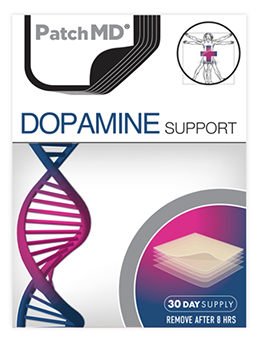
The delivery method for nutritional supplements significantly impacts their effectiveness. Traditional oral supplementation faces several challenges that can reduce the bioavailability and consistency of nutrient delivery.
When nutrients are taken orally, they must survive the harsh acidic environment of the stomach, navigate the complex absorption processes in the intestines, and undergo first-pass metabolism in the liver before reaching systemic circulation. Each of these steps can reduce the amount of active ingredient that ultimately reaches the brain.
Digestive challenges are particularly relevant for amino acids and other nutrients supporting neurotransmitter synthesis. Individual variations in digestive function, the presence of other foods, and competitive absorption with other amino acids can all impact how much of the supplement actually becomes available for use.
Topical patch delivery offers several distinct advantages for dopamine precursor support. The transdermal route provides steady, sustained release of nutrients directly into the bloodstream, bypassing the digestive system entirely. This approach eliminates concerns about digestive absorption variability and first-pass liver metabolism.
The sustained release profile of patch delivery more closely mimics the body’s natural, steady-state processes rather than the spike-and-crash pattern often seen with oral supplements. For neurotransmitter support, this steady delivery may be particularly beneficial, as it provides consistent building blocks throughout the day rather than intermittent boluses.
For individuals with digestive sensitivities or absorption challenges, topical delivery ensures they can still benefit from dopamine precursor support without gastrointestinal discomfort. This is especially relevant for those with conditions affecting nutrient absorption or those taking medications that impact digestive function.
Who May Benefit from Dopamine Precursor Support?
Natural dopamine precursor support may be valuable for various individuals experiencing challenges related to motivation, focus, and mood regulation. Understanding who might benefit helps determine whether this approach aligns with your wellness goals.
Individuals experiencing low motivation, difficulty initiating or completing tasks, or lack of drive may find dopamine support helpful. These symptoms can indicate suboptimal dopaminergic function, though they can also result from other factors that should be evaluated by healthcare providers.
Those struggling with focus, attention, and concentration may benefit from the cognitive-enhancing effects of dopamine precursors. Research has shown that tyrosine and other supportive nutrients can improve working memory and mental performance, particularly during demanding situations.
People dealing with stress-related mental fatigue may find particular value in dopamine precursor support. The research on tyrosine demonstrates its effectiveness specifically when neurotransmitters are depleted by stressful conditions. The combination with adaptogenic herbs and calming nutrients provides comprehensive stress support.
Individuals seeking to support healthy mood balance through nutritional approaches may appreciate the comprehensive neurotransmitter support that includes both dopamine and serotonin precursors. The balanced approach helps maintain the equilibrium necessary for emotional wellness.
Those interested in cognitive optimization and mental performance enhancement may use dopamine precursor support as part of a broader brain health strategy. The combination of precursors, neurotropics, and membrane-supporting nutrients provides multilayered cognitive support.
It’s important to note that dopamine precursor support is intended to work with the body’s natural processes and is not meant to replace professional medical treatment for diagnosed conditions. Anyone with existing health concerns or taking medications should consult healthcare providers before beginning any new supplement regimen.
Safety Considerations and Best Practices
While dopamine precursors and supporting nutrients are generally well-tolerated, understanding proper use and potential considerations ensures safe and effective supplementation.
L-tyrosine is considered safe for most healthy adults at standard supplementation doses. However, individuals with hyperthyroidism should exercise caution, as tyrosine is also a precursor for thyroid hormones. Anyone taking thyroid medications or with thyroid conditions should consult their healthcare provider before using tyrosine supplements.
5-HTP requires special attention regarding medication interactions. It should never be combined with antidepressant medications including SSRIs, MAOIs, or tricyclics due to the risk of serotonin syndrome. The interaction between serotonin-enhancing supplements and medications can lead to dangerously high serotonin levels.
Pregnancy and breastfeeding represent situations where caution is advised. The safety of many nootropic supplements has not been adequately studied in pregnant or nursing women, making avoidance the most conservative approach unless specifically recommended by a healthcare provider.
Starting with recommended doses and monitoring individual response is always wise when beginning any new supplement regimen. While these nutrients support natural processes, individual biochemistry varies, and what works optimally for one person may require adjustment for another.
Timing of supplementation may impact effectiveness and tolerability. Many people find that taking dopamine-supporting supplements earlier in the day aligns with natural circadian rhythms and avoids potential interference with sleep, though the steady release from topical patches may make timing less critical.
Supporting Your Dopamine Naturally: A Holistic Approach
While nutritional supplementation with dopamine precursors offers valuable support, the most effective approach to brain health combines targeted nutrition with healthy lifestyle practices that naturally support dopamine production and function.
Adequate sleep is fundamental for neurotransmitter balance. During sleep, the brain performs critical maintenance and restoration processes, including synthesis and regulation of dopamine and other neurotransmitters. Chronic sleep deprivation disrupts these processes and can lead to dopamine dysregulation regardless of precursor availability.
Regular physical activity has been shown to support healthy dopamine function through multiple mechanisms. Exercise increases dopamine receptor density, enhances dopamine release, and promotes the production of neurotrophic factors that support brain health. The combination of exercise with dopamine precursor supplementation may provide synergistic benefits.
Stress management practices complement dopamine precursor support by reducing the chronic activation of stress pathways that deplete neurotransmitters. Mindfulness, meditation, yoga, and other stress-reduction techniques help maintain the balanced neurochemical environment where supplementation can work most effectively.
Dietary factors play a role beyond just precursor availability. A diet rich in antioxidants protects dopamine neurons from oxidative damage. Adequate protein intake ensures natural dietary sources of tyrosine and other amino acids. Limiting processed foods and excessive sugar helps maintain stable blood glucose, which influences neurotransmitter synthesis.
Social connection and engaging activities naturally stimulate dopamine release. Pursuing meaningful goals, enjoying creative outlets, and maintaining positive relationships all activate dopamine pathways. Precursor support may make it easier to engage in these dopamine-promoting activities when motivation is low.
Experience Natural Dopamine Support with PatchMD’s Dopamine Support Patch
If you’re ready to experience comprehensive, natural support for your brain’s dopamine production, the PatchMD Dopamine Support Patch offers an innovative solution that combines science-backed ingredients with convenient topical delivery.
Our Dopamine Support Patch contains a comprehensive blend of dopamine precursors and supporting nutrients including L-tyrosine, L-theanine, 5-HTP, Lion’s Mane mushroom, omega-3 DHA and EPA, lemon balm, ginseng, phosphatidylcholine, and phosphatidylserine. This carefully formulated combination addresses dopamine support from multiple angles—providing direct precursors, balancing related neurotransmitter systems, supporting brain structure and function, and promoting a calm, focused state.
The topical patch delivery system ensures steady, sustained nutrient absorption throughout the day, bypassing digestive challenges and providing consistent support for your brain chemistry. Simply apply one patch daily to clean, dry skin and wear for up to 8 hours to experience natural dopamine support.
Unlike pharmaceutical interventions or stimulants, the Dopamine Support Patch works with your body’s natural biochemistry, providing the building blocks your brain needs to produce dopamine optimally. This gentle, non-habit-forming approach supports motivation, focus, and mental wellness without the concerns associated with synthetic alternatives.
Join thousands of satisfied customers who have discovered the benefits of topical vitamin delivery with PatchMD. Our patches are manufactured in the USA following rigorous quality standards, ensuring you receive premium ingredients in an innovative, effective format.
Visit PatchMD.com today to order your Dopamine Support Patch and take the first step toward natural, comprehensive support for your brain’s motivation and reward system. Experience the difference that proper dopamine support can make in your daily life, energy, focus, and overall sense of well-being.
Frequently Asked Questions
Reviewed by :

Dr. Majid Sabour
Dr. Majid Sabour, MD, is a renowned expert in medical weight loss and the founder and medical director of Gent's Doctor clinic in Beverly Hills, California. With over 25 years of experience, Dr. Sabour is board-certified in family medicine and specializes in helping patients achieve their weight loss goals through personalized medical treatments. He graduated from Zaporizhzhia State Medical University in Ukraine and completed a family medicine residency program with Columbia University and Cornell at New York-Presbyterian Hospital in Manhattan. Licensed in both New York and California, Dr. Sabour is dedicated to providing comprehensive weight loss solutions that promote overall health and well-being.
Share
Related Posts