
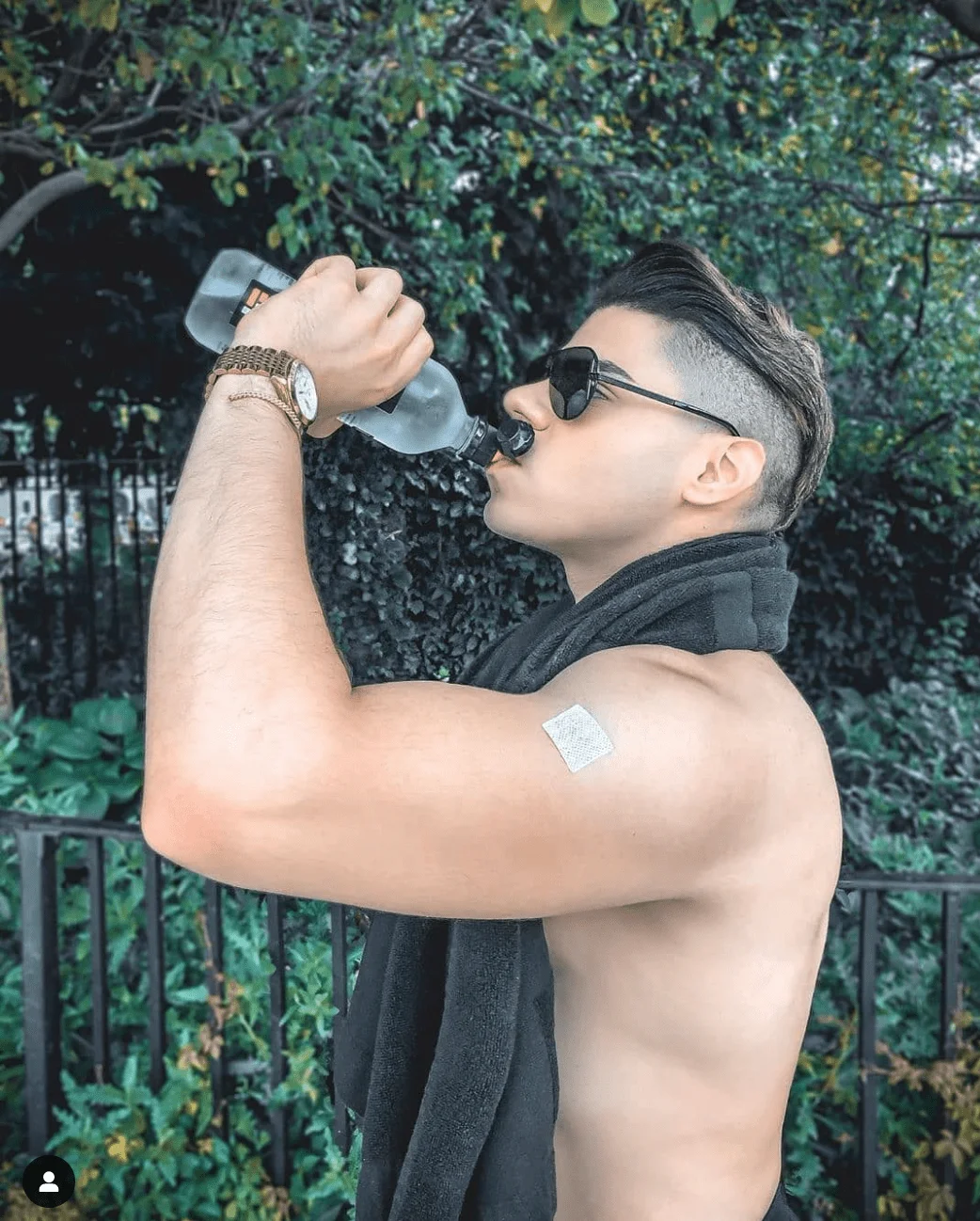
What Are Muscle Recovery Patches?
Training places demands on the body. After a workout, the body needs time, nutrition, hydration, and rest to recover. Muscle Recovery Patches are one topical option for people interested in recovery-focused products.
That is why some athletes and active people explore different recovery products. Muscle Recovery Patches are one topical format designed for people who want to add recovery-focused ingredients to their routine.
The important question is not simply whether a patch is convenient. It also matters which ingredients the patch contains, what those ingredients may offer, and what evidence supports their use.
A product label can provide a useful starting point. The current Ultimate Trainer/Recovery patch label lists leucine, glutamine, betaine, beet juice, and hydroxy-beta-methylbutyrate (HMB). The label describes the product as intended to support body function for athletes and performance artists.
Which Ingredients Should You Look For?
When comparing Muscle Recovery Patches, start with the ingredient panel. Different products may use very different formulas.
The ingredient list on the Ultimate Trainer/Recovery patch includes five key ingredients:
Leucine
Leucine is an essential amino acid and one of the three branched-chain amino acids. Researchers closely associate leucine with muscle protein synthesis.
Protein intake and resistance exercise both stimulate muscle protein synthesis. Research on protein and exercise suggests that high-quality protein containing sufficient essential amino acids and leucine can support this process.
The amount matters, too. Sports nutrition research commonly discusses leucine as part of a broader protein strategy rather than as an isolated solution. For active people, overall protein intake and dietary quality remain important.
For more background, research on leucine and exercise recovery can help explain why this amino acid appears in many sports nutrition formulas.
Glutamine
Glutamine is an amino acid found in the body and in many protein-containing foods. It supports several normal physiological processes in the body.
Many exercise and recovery products also include glutamine. However, the evidence for glutamine supplementation and athletic performance is not as strong as the marketing around some products may suggest.
The NIH Office of Dietary Supplements notes that evidence varies considerably among performance-supplement ingredients. Therefore, consider glutamine as one part of a formula rather than a guaranteed recovery ingredient.
Betaine
Some sports nutrition products also contain betaine. It occurs naturally in foods and supports normal cellular processes.
Researchers have examined betaine supplementation in relation to exercise performance and body composition. However, available evidence is still limited, and results do not establish that betaine supplementation will improve performance for everyone.
This is why it is useful to look at the complete formula rather than judging a recovery product by one ingredient alone.
Beet Juice
Sports nutrition discussions often feature beet juice because beets naturally contain dietary nitrate.
Research on dietary nitrate has explored exercise performance and oxygen efficiency, particularly in certain types of exercise. However, results can depend on the dose, timing, type of activity, and individual response.
In a recovery-focused formula, beet juice offers a broader exercise-nutrition background rather than a guaranteed way to speed recovery.
Hydroxy-Beta-Methylbutyrate (HMB)
Hydroxy-beta-methylbutyrate, commonly called HMB, is a metabolite of the amino acid leucine.
Researchers have studied HMB in relation to muscle protein turnover, exercise training, and recovery. Research has generated interest in its potential role, although outcomes can vary with training status, diet, and the population studied.
If a recovery formula includes HMB, consider it alongside adequate protein, resistance training, rest, and overall nutrition.
Why Does the Combination Matter?
A recovery formula may contain several ingredients because no single nutrient controls recovery.
Leucine and HMB are connected to protein and muscle metabolism. Glutamine has broader roles in the body. Researchers have studied betaine in exercise settings, while they have also examined beet-derived nitrate for aspects of exercise performance.
However, the presence of several ingredients does not automatically prove that the complete combination will produce a specific result. Research on individual ingredients does not necessarily establish the effectiveness of a particular multi-ingredient product.
That distinction is important when evaluating Muscle Recovery Patches. Look at the full formula, intended use, directions, and available evidence together.
What Else Supports Muscle Recovery?
Consider a patch as one part of a broader recovery routine. Recovery starts with the basics.
Adequate protein is particularly important. The NIH Office of Dietary Supplements notes that sufficient protein supports the training response and recovery after exercise. The International Society of Sports Nutrition also emphasizes adequate daily protein and appropriately distributed protein intake for exercising individuals.
Sleep matters, too. Consistent sleep gives the body time to recover from training demands. Hydration and sufficient energy intake are also important parts of a well-rounded recovery routine.
In other words, a recovery supplement may fit into a broader plan, but it should not replace food, fluids, rest, or appropriate training.
How Do Topical Muscle Recovery Patches Work?
Topical patches place their ingredients against the skin. This makes them different from protein foods, shakes, and oral supplements.
The skin is a strong protective barrier. Not every substance crosses it easily, and delivery can depend on the chemical characteristics of an ingredient and the formulation used.
For that reason, oral evidence about an ingredient does not automatically apply to the same ingredient in a topical patch.
When evaluating a topical recovery product, examine the ingredient evidence and delivery method separately. This helps avoid assuming that evidence for one form automatically proves the effectiveness of another.
What Should You Look For in a Muscle Recovery Patch?
A Clear Ingredient Label
Start with a complete ingredient panel. You should be able to identify the active ingredients and understand what the product provides.
A Relevant Formula
Look for ingredients that have a reasonable scientific basis for the intended use. Researchers have studied leucine and HMB in relation to muscle protein metabolism and exercise.
Clear Directions
Choose a topical product with clear instructions for where and how to apply the patch. Follow the current label because patches can have different application instructions.
Transparent Product Information
Look for clear information about serving size, ingredients, intended use, and manufacturer instructions. This makes it easier to compare products responsibly.
Appropriate Expectations
No recovery product can replace adequate protein, sleep, hydration, energy intake, and a sensible training program. Treat a supplement as one part of a broader routine.
Who Might Consider Muscle Recovery Patches?
Active adults and athletes may be interested in recovery-focused products after training. A topical format may also appeal to people who prefer patches over powders, capsules, or drinks.
However, suitability depends on the individual and the product. People taking medications, managing a medical condition, pregnant or breastfeeding, or considering supplements for a young athlete should speak with an appropriate healthcare professional.
Competitive athletes should also pay attention to supplement quality and third-party testing. Some sports supplements can contain ingredients that are not obvious from marketing language or may create concerns for athletes subject to anti-doping rules.
How to Use a Muscle Recovery Patch
Follow the directions on the specific product you are using. The current Ultimate Trainer/Recovery label tells users to apply the patch daily to an area with little or no hair, such as the shoulder, back, or hip.
The label also says to avoid lotion or cream in the same area because it may inhibit absorption. The label also notes that the patch is not waterproof.
These instructions are product-specific. Always check the current packaging before use, especially if directions or formulation details have changed.
Frequently Asked Questions
What ingredients are in the Ultimate Trainer/Recovery patch?
The current label lists leucine, glutamine, betaine, beet juice, and hydroxy-beta-methylbutyrate (HMB).
What is the most important ingredient in a muscle recovery patch?
There is no single ingredient that is universally most important. Recovery depends on overall nutrition, training, sleep, hydration, and individual needs.
Why do recovery products include leucine?
Leucine is an essential amino acid involved in signaling related to muscle protein synthesis. It is also one of the branched-chain amino acids.
Is HMB the same as leucine?
No. The body produces HMB from leucine. Researchers have also studied HMB separately in exercise and muscle-related research.
Can a recovery patch replace protein after exercise?
No. A topical patch cannot replace adequate dietary protein. Protein supplies the essential amino acids muscles need for protein synthesis.
Are Muscle Recovery Patches suitable for everyone?
Not necessarily. Individual needs vary. People with medical conditions, those taking medications, pregnant or breastfeeding individuals, and young athletes should seek appropriate professional guidance before using supplements.
Final Thoughts
Muscle Recovery Patches can provide an alternative format for people interested in recovery-focused supplementation. The ingredients matter, but so does the evidence behind them and the way they are delivered.
The current Ultimate Trainer/Recovery label lists leucine, glutamine, betaine, beet juice, and HMB. Each has a different nutritional or research background, so you should not treat them as interchangeable.
Most importantly, recovery depends on more than a single supplement. Adequate protein, hydration, sleep, energy intake, and a well-planned training routine remain fundamental.
When comparing recovery patches, read the full ingredient label, check the directions, consider your individual circumstances, and keep expectations realistic.
Ingredients shown on the current product label:
- Leucine
- Glutamine
- Betaine
- Beet Juice
- Hydroxy-Beta-Methylbutyrate (HMB)





Leave A Comment
You must be logged in to post a comment.