Key Takeaways
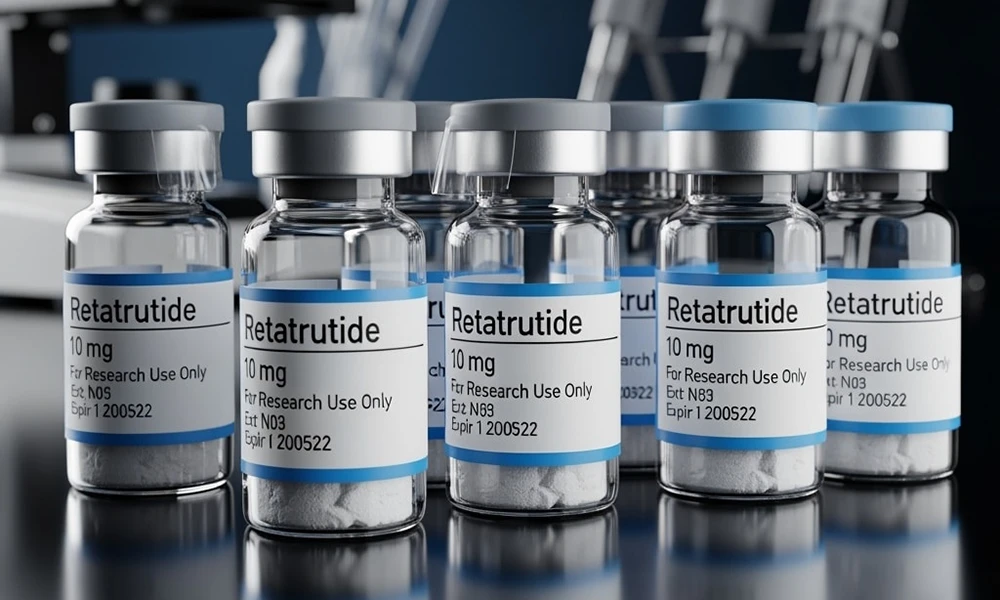
- No over the counter patches contain prescription GLP-1 drugs like semaglutide or tirzepatide. Current science does not support true “Ozempic patches,” and no FDA approved transdermal GLP-1 medication exists as of March 2026.
- PatchMD’s GLP-1 Support Patch does not contain real medication. Instead, it uses specific nutrients and botanicals—including berberine, green tea extract, chromium, and gymnema—designed to support healthy weight management, blood sugar control, and the body’s natural GLP-1 response.
- These patches serve as a convenient, non-stimulating daily supplement that can complement a medically supervised weight loss journey, balanced nutrition, and regular activity—but cannot replace prescription medications for those who need them.
- Safety and transparency matter. Be cautious with any product labeled as containing semaglutide without a prescription. Always review ingredients and talk with health care providers before use.
- Realistic expectations focus on appetite control and metabolic health support, not the dramatic results seen in randomized controlled trials of prescription GLP 1 medications.
Hype, Science, and How a Glucagon Like Petpide 1 Patch Really Works
The explosive popularity of prescription medications like Ozempic, Wegovy, and Zepbound between 2024 and 2026 created a cultural phenomenon. With TikTok videos tagged #GLP1Patch amassing over 500 million views by early 2026, consumers began searching for needle-free alternatives—and marketers noticed.
What Are GLP‑1 Patches in 2026?
GLP-1, or glucagon-like peptide-1, is a natural gut hormone secreted after meals. It helps regulate appetite, promotes fullness, and supports blood sugar balance by stimulating insulin release and slowing gastric emptying.
Prescription GLP-1 receptor agonists like semaglutide became mainstream weight loss tools after clinical trials showed average body weight reductions of 15-20%. This success drove people to search for easier, cheaper alternatives—enter “GLP-1 patches.”
These adhesive products, marketed as “Ozempic patches” or “weight loss patches,” are dietary supplements sold via Amazon, brand websites, and influencer links. They are not prescription medications.
PatchMD’s GLP-1 Support Patch sits in this broader category but is intentionally marketed as “support” rather than a drug replacement. This distinction matters for both regulatory compliance and honest consumer expectations.
How GLP‑1 Medications Work Versus What Patches Can Actually Do
Understanding the difference between prescription GLP 1 drugs and non-prescription supplement patches is essential before making any purchasing decision.
How injectable/oral GLP-1 medications work:
- Mimic the GLP-1 hormone with engineered modifications for extended duration
- Bind to GLP-1 receptors to enhance insulin release and reduce glucagon
- Slow gastric emptying by 20-50%, promoting satiety
- Supported by large randomized controlled trials—the STEP trials showed 14.9% mean weight loss at 68 weeks versus 2.4% for placebo
The short answer on why patches can’t deliver these drugs: GLP-1 molecules are relatively large peptide chains (molecular weight 3-5 kDa) that cannot effectively penetrate the skin barrier through passive transdermal diffusion. The stratum corneum blocks over 99% of such molecules without advanced delivery systems like microneedles.
What evidence-based supplement patches can aim to do: support metabolic health, blood sugar balance, and normal appetite signals via vitamins, minerals, and herbal supplements—not by acting as replacement GLP-1 drugs.
What’s Actually in Most GLP‑1 Patches (and What’s Not)
Many viral GLP 1 patches are essentially vitamin and botanical patches with GLP-1-themed branding, not hormone-containing pharmaceuticals.
Common ingredients across competing patches (2024-2026):
| Ingredient | Intended Role |
|---|---|
| Berberine | Supports blood sugar metabolism, activates AMPK |
| Green tea extract (called EGCG) | Supports fat oxidation and metabolic rate |
| Pomegranate extract | Provides antioxidant support |
| L glutamine | Supports gut health and reduces cravings |
| Chromium | Helps maintain insulin sensitivity |
| Garcinia cambogia | Targets appetite modulation |
These ingredients aim to support healthy blood sugar metabolism, influence appetite, and provide antioxidant support. They do not legally contain patented GLP-1 drugs like semaglutide, liraglutide, or tirzepatide.
Any product claiming to contain these prescription medications without a prescription is a major red flag. In 2025, the FDA issued warnings to 15 brands making deceptive claims about containing real medication.
PatchMD clearly states its GLP-1 Support Patch is formulated to support the body’s existing GLP-1 pathways and metabolic health, not to substitute medical treatment.
Do GLP‑1 Patches Work? Parsing the Evidence and Expectations
There is no scientific evidence showing any OTC GLP-1 patch replicates the dramatic weight loss outcomes of prescription GLP 1 medications. However, specific ingredients can play supportive roles in metabolism and appetite when used consistently.
What research suggests about key ingredients:
- Berberine: A systematic review of 46 randomized controlled trials found average reductions of 2.07kg body weight and 0.73% HbA1c over 2-3 months. Berberine may also elevate postprandial GLP-1 by approximately 28% in human studies.
- Green tea extract: Meta-analyses suggest EGCG supports small increases in energy expenditure (about 67 kcal/day) and modest weight reduction of 1.31kg over 12 weeks.
- Chromium: Studies indicate support for normal carbohydrate metabolism, with 0.65kg average loss in insulin-resistant populations.
The effectiveness of transdermal delivery for these specific blends lacks robust human pharmacokinetic data. Most research involves oral supplementation, not kind patches.
Realistic expectations for a support patch:
- Helping reduce cravings (user reports suggest 20-30% less snacking)
- Supporting energy and mood as part of a broader lifestyle plan
- Complementing calorie-appropriate eating and regular activity
PatchMD’s GLP-1 Support Patch is honestly positioned as a tool in the toolbox—potentially helpful for daily, needle-free metabolic support—not a miracle fix producing the same results as weight loss injections.

Inside PatchMD’s GLP‑1 Support Patch: How It’s Designed to Support Natural GLP‑1
PatchMD has been pioneering transdermal supplement delivery since 2010, with over 50 formulations. The GLP-1 Support Patch was developed in response to consumer interest while maintaining clear scientific guardrails.
Patch format:
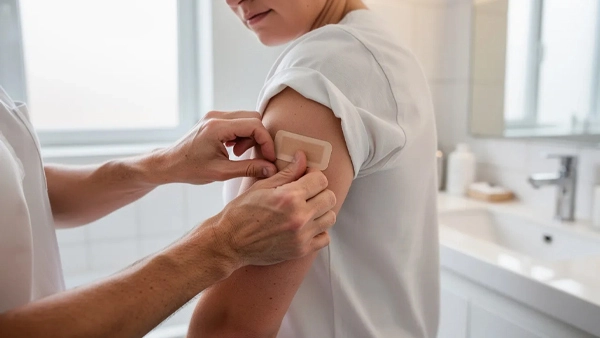
- Discreet, latex-free adhesive worn on clean, dry skin (upper arm, shoulder, or hip)
- Worn for up to 8 hours daily
- Designed for once-daily use, similar to taking a daily supplement
Key ingredients in the PatchMD GLP-1 Support Patch:
| Active Ingredient | Intended Role |
|---|---|
| Berberine | Supports healthy blood sugar and may promote the body’s natural GLP-1 release |
| Green tea extract | Supports fat oxidation via EGCG |
| Chromium | Helps maintain normal glucose metabolism |
| Gymnema sylvestre leaf | Supports appetite control by modulating sweet taste receptors |
| L-carnitine | Supports fatty acid transport for energy |
| B-vitamins | Supports energy metabolism |
The goal is to nudge the body’s own GLP-1 and appetite-related pathways, not deliver pharmaceutical doses. The formula is non-stimulant, avoiding high-dose caffeine or harsh laxatives common in other “slimming” products.
Transdermal delivery bypasses the digestive tract, which may benefit people who struggle with pill fatigue, GI sensitivity, or experience skin reactions to adhesive medications at lower rates than oral supplements causing nausea.
Patch Versus Injection: Setting the Right Expectations
If you’re comparing an over-the-counter GLP-1 support patch to prescription GLP-1 injections like Ozempic, Wegovy, or Zepbound, understand they exist in completely different categories.
Prescription GLP-1 injections:
- Require a doctor’s prescription and eligibility assessment (typically BMI≥30 or ≥27 with comorbidities)
- Are FDA approved medications for type 2 diabetes and/or chronic weight management
- Deliver potent effects but carry specific side-effect risks requiring monitoring
- Produce both weight loss and significant metabolic improvements in clinical trials
GLP-1 Support supplements/patches:
- Available over the counter as dietary supplements
- Aim to support appetite and metabolic health more gently
- Do not produce the same magnitude of lose weight results seen in prescription trials
The patch is an option for individuals who are not candidates for weight loss injections or prefer to start with lifestyle changes and gentle support. Consider a “stacked” approach: patch + diet quality + movement + sleep + stress management, with medical care layered on when clinically indicated.
How to Use PatchMD’s GLP‑1 Support Patch Safely and Effectively
While the patch is a supplement, thoughtful use matters. Follow label directions and consult a healthcare professional when in doubt.
Practical usage guidance:
- Apply to clean, dry, hair-free skin (upper arm, shoulder, hip, or upper back)
- Wear for the recommended 8 hours and rotate locations daily to minimize skin irritation
- Use consistently at the same time daily for at least 4-8 weeks to fairly evaluate effects on cravings and appetite
Pair patch use with:
- Balanced meals emphasizing protein (1.6g/kg), fiber (25-35g), and minimally processed foods
- Hydration, regular movement, and 7-9 hours of quality sleep
- Mindful eating strategies—checking hunger cues and slowing down meals
Track your progress: Keep a simple journal of patch use, appetite levels, mood, and any warning signs. Share this log with health care providers if managing diabetes or prediabetes.
Safety considerations:
- Discontinue if you experience persistent rash, itching, or allergic reaction at the application site
- Talk to your provider before use if pregnant, breastfeeding, on diabetes medications, or taking anticoagulants
- Seek medical attention for severe or systemic reactions
Staying Safe in a Crowded GLP‑1 Patch Market
The GLP-1 boom attracted both responsible brands and opportunistic products making aggressive promises. Consumer protection matters.
Red flags to watch for:
- Patches claiming to “contain semaglutide” or “deliver the same dose as Wegovy” without a prescription
- Vague “proprietary blends” with no clear milligram amounts
- No company contact info, lot numbers, or manufacturing quality standards
- Berberine patches marketed as identical to prescription drugs
How PatchMD differentiates itself:
- Transparent ingredient listing with specific amounts
- Clear labeling that the product does not contain GLP-1 drugs
- Education-first content encouraging users to work closely with their physician
Read supplement facts panels carefully. Avoid stacking multiple stimulant or “fat burner” products simultaneously. Report severe adverse events to both your clinician and the FDA’s Safety Reporting Portal.
The goal is informed choice. Understanding what a GLP-1 support patch can realistically offer—and what it cannot—helps build safer, sustainable plans for overall health.
Supporting Healthy Metabolism Beyond Patches
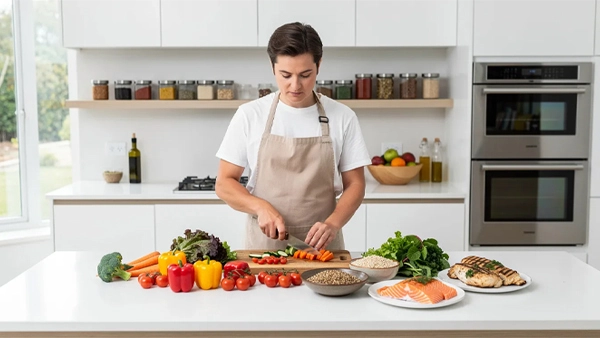
Even the best supplement works best when built on a strong lifestyle foundation. No patch replaces fundamentals.
Key non-patch strategies:
- Nutrition: Prioritize lean protein (curbs ghrelin by 25%), high-fiber vegetables, whole grains, and healthy fats. Limit ultra-processed foods and sugary drinks that spike blood sugar.
- Movement: Aim for 150 minutes weekly of moderate-intensity activity plus 2 days of resistance training. This combination yields approximately 1.5kg fat loss monthly per 2024 meta-analyses.
- Sleep: Guard 7-9 hours nightly. Poor sleep elevates ghrelin by 28%, driving cravings.
- Stress: Incorporate stress-management tools (walking, breathing exercises, yoga) to reduce emotional eating.
PatchMD’s GLP-1 Support Patch helps users feel more supported as they implement these habit changes by helping with appetite control and energy consistency.
For some individuals with obesity or complicated metabolic conditions, prescription medications or bariatric procedures may still be necessary—talk with a qualified clinician. Focus on trends and wellbeing over months, not week-to-week scale fluctuations. The placebo effect of simply paying attention to your health choices often amplifies results from any treatment.
Try PatchMD’s GLP-1 Extend Patch
Ready to add convenient, needle-free metabolic support to your daily routine? PatchMD’s doctor-formulated GLP-1 Support Patch delivers berberine, fucoxanthin, green tea extract, and other science-backed ingredients directly through the skin—no pills, no GI discomfort, no prescription required. Whether you’re currently on a GLP-1 medication like Ozempic® or Wegovy® and looking to fill nutritional gaps, or simply want gentle daily support for blood sugar balance and appetite control, the GLP-1 Support Patch is designed to work alongside your lifestyle. Starting at $22.95 for a 30-day supply, with a subscribe-and-save option for ongoing use. Shop now at PatchMD.com and see why thousands trust the original vitamin patch company to support their health goals.
Frequently Asked Questions
Reviewed by :

Dr. Majid Sabour
Dr. Majid Sabour, MD, is a renowned expert in medical weight loss and the founder and medical director of Gent's Doctor clinic in Beverly Hills, California. With over 25 years of experience, Dr. Sabour is board-certified in family medicine and specializes in helping patients achieve their weight loss goals through personalized medical treatments. He graduated from Zaporizhzhia State Medical University in Ukraine and completed a family medicine residency program with Columbia University and Cornell at New York-Presbyterian Hospital in Manhattan. Licensed in both New York and California, Dr. Sabour is dedicated to providing comprehensive weight loss solutions that promote overall health and well-being.
Share
Related Posts